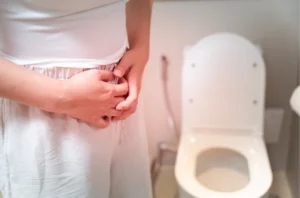
It's common for parents to worry when a child starts asking to go to the bathroom constantly. In some cases, they may urinate every few minutes, even without having increased their fluid intake. This situation often raises questions: Is it normal? Could it be an infection? Is there a problem with their bladder?
The good news is that, in most cases, frequent urination during childhood is not related to a serious illness. However, there are also situations that require medical evaluation to rule out other causes and determine the most appropriate treatment.
How many times a day is it normal for a child to urinate?
There is no single number of times a child will urinate that can be considered normal. Frequency varies depending on age, fluid intake, physical activity, and even ambient temperature. As a general guideline, a healthy child typically urinates between four and eight times a day.
What's important isn't just the number of times a child goes to the bathroom, but whether that pattern changes significantly from what's usual. When a child feels the need to urinate very often, but passes only small amounts of urine and remains in good general health, it's possible that it's a temporary, functional change.
Childhood pollakiuria, a frequent and generally benign cause
One of the most common causes of frequent urination in children is childhood pollakiuria , a functional disorder that usually appears between the ages of three and ten.
In these cases, the child may need to go to the bathroom every few minutes during the day, even though they only urinate a few drops afterward. Despite the unusual nature of the situation, they are usually fine: they have no fever, report no pain when urinating, have no urinary incontinence, and typically sleep through the night without needing to get up to use the bathroom.
There is no single known cause for this condition. In some children, it appears after a significant change in their routine, such as starting school, moving, or the birth of a sibling. In others, no clear trigger is identified. It is also common for the habit of constantly going to the bathroom to persist because the child pays increasing attention to the sensation of having a full bladder, even when it contains very little urine.
Frequent urination in children usually resolves spontaneously over weeks or months and does not leave any lasting effects on the urinary system.
When urinary frequency may indicate another problem
Although frequent urination is a very common cause, not all cases of recurrent urination have the same origin. The presence of other symptoms helps guide the diagnosis.
If a child experiences burning during urination, fever, abdominal pain, or foul-smelling urine, it's important to rule out a urinary tract infection. If, in addition to frequent urination, the child drinks a lot of water, loses weight, or shows unusual fatigue, other conditions, such as diabetes, should be considered.
There are also functional bladder disorders, such as overactive bladder, which can cause an urgent need to urinate and even minor leakage. Another often overlooked cause is constipation . The accumulation of stool in the rectum can put pressure on the bladder and reduce its capacity, leading to a constant urge to urinate in the child.
For this reason, urinary frequency should never be assessed in isolation, but rather taking into account the rest of the symptoms and the evolution of the problem.
When is it advisable to consult a specialist?
Although many situations are temporary, it is advisable to consult a doctor when the need to urinate persists for several weeks, disrupts the child's daily activity, or is accompanied by other symptoms, such as pain, fever, blood in the urine, urinary leakage, or excessive thirst.
It is also advisable to request an evaluation when the child had successfully acquired control of urination and begins to show striking changes in their urinary habits without an apparent explanation.
How are frequent urination cases studied in a child?
The diagnosis begins with a detailed medical history. Knowing when the symptoms appeared, how often the child urinates, whether there is constipation, or a history of urinary tract infections provides valuable information for identifying the cause.
In most cases, a physical examination and a urinalysis are sufficient to guide the diagnosis. In certain situations, the specialist may recommend an ultrasound or bladder function tests, especially when symptoms persist or there is doubt about their cause.
Treatment will always depend on the cause. While a urinary tract infection requires specific management, functional disorders are usually addressed with measures aimed at normalizing voiding habits, treating constipation when present, and retraining the pelvic floor through biofeedback. This technique consists of a series of exercises taught to the child in the doctor's office, in a pleasant way adapted to their age, to help them recognize when they contract and when they relax their pelvic floor muscles, promoting better bladder control and proper emptying.
Furthermore, it is essential to accompany the child and their family during treatment, resolving any doubts that may arise, supporting them, and ensuring that the progress is as expected.
When frequent urination persists, appears alongside other symptoms, or causes concern in the family, a specialized assessment allows for resolving doubts, ruling out pathologies that require treatment, and offering an approach adapted to each case.
At ROC Clinic we have a team specializing in pediatric urology that supports each child and their family with a personalized approach, based on scientific evidence.