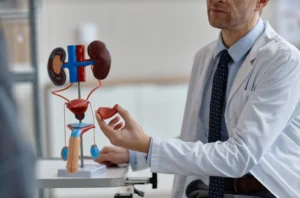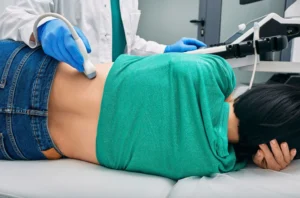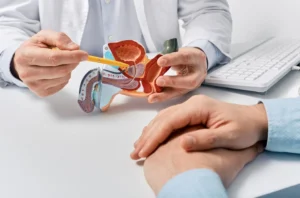

Interstitial cystitis is a chronic urological condition characterized by persistent bladder pain and urinary symptoms without infection . It is a complex disease that can be very debilitating and requires a specialized and personalized approach , especially when conventional treatments fail to control the symptoms.
In this scenario, Platelet-Rich Plasma (PRP) has become an advanced therapeutic option in urology , indicated in patients with refractory interstitial cystitis who seek to improve their quality of life.
What is interstitial cystitis or painful bladder syndrome?
Interstitial cystitis is a chronic inflammatory disease of the bladder that has no identifiable infectious cause. Its main symptoms include bladder pain, pressure or burning, urinary urgency, and increased urinary frequency.
One of its most common characteristics is that the pain worsens when the bladder fills and may be partially relieved after urination. Over time, these symptoms can significantly interfere with sleep, work, social life, and emotional well-being.
Why are some treatments not enough?
Initial treatment for painful bladder syndrome typically combines medications, behavioral measures, and local therapies. While these options can be effective in the early stages, they don't always control chronic bladder inflammation or restore the function of its protective barrier.
In certain patients, persistent urothelial damage and sustained inflammation cause symptoms to recur or not improve stably, requiring the consideration of more advanced and regenerative treatments.
Platelet-Rich Plasma (PRP): a regenerative therapy in urology
Platelet-Rich Plasma (PRP) is an autologous biological treatment obtained from the patient's own blood. After processing, it becomes a concentrated plasma rich in platelets and growth factors with anti-inflammatory and regenerative effects.
In urology, PRP is used to promote the repair of damaged tissues , and in the case of interstitial cystitis, to act on the altered bladder mucosa, one of the key factors in chronic bladder pain.
Benefits of PRP in interstitial cystitis
Applying PRP to the bladder can help with:
- Reduce chronic bladder inflammation.
- Promote the regeneration of the urothelium.
- Improve the function of the bladder's protective barrier.
- Reduce bladder pain, urinary urgency, and urinary frequency.
Unlike other treatments, PRP does not focus solely on relieving symptoms, but on acting on the mechanisms that perpetuate pain.
What is PRP treatment like?
The PRP procedure is minimally invasive and performed on an outpatient basis :
- Extraction of a small blood sample of the patient himself.
- Sample processing to obtain platelet-rich plasma, concentrated in growth factors.
- Application of PRP at the bladder level, as prescribed by a doctor, usually with local anesthesia or analgesic measuresto minimize discomfort during the procedure.
The technique does not require hospitalization and, in most cases, allows you to resume your normal activities the same day or the next day, following medical advice.
Because it is an autologous treatment, the risk of adverse reactions or rejection is very low , making it a safe option for selected patients.
In which patients is PRP recommended?
PRP treatment may be considered in patients with:
- Interstitial cystitis or chronic painful bladder syndrome.
- Lack of response to conventional treatments.
- Persistent bladder pain that affects quality of life.
The indication should always be made after a specialized urological evaluation , which allows confirming the diagnosis and defining the most appropriate treatment.