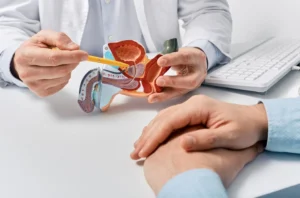
Adolescence is a time of discovery and change, making it essential to address health issues sensitively. In this article, we'll explore the topic of scrotal injuries, providing valuable information for both parents and teenagers.
What are scrotal lesions?
Scrotal injuries in adolescence are highly variable, ranging from traumatic and inflammatory lesions to chronic problems. In addition to age-related changes, the scrotal area is more susceptible to injury due to its external location and lack of bony protection.
It's important for teenagers to be aware of the signs and symptoms of scrotal injuries, such as swelling, pain, bruising, or any unusual changes in the appearance of the genital area. Recognizing these signs early can be key to seeking medical help.
Common injuries in adolescence
- Sports injuriesSports can increase the risk of scrotal injuries. We'll discuss how to prevent and manage these injuries during physical activity.
- Accidental traumaThe scrotal region is frequently affected by accidental blows or falls, and it is crucial to know how to assess and treat these situations to minimize the impact on scrotal health.
- Testicular torsionThis is an acute condition in which blood does not reach the testicle properly, and we must consult urgently to avoid irreversible damage.
- Hydatid torsionThis occurs when the hydatid, which is like an "appendix" located at the top of the testicle, undergoes a torsion causing an acute inflammatory condition.
- EpididymitisIt is the inflammation of the glands located above the testicle, sometimes due to an infection and very common during growth.
Chronic Pathologies
- varicoceleScrotal enlargement is a condition in which the veins within the scrotum dilate due to a problem with blood circulation. We will explore its impact on adolescence, the need for early recognition, and treatment options.
- hydroceleThis is the accumulation of fluid between the layers of the testicle. We will discuss how to identify and address this condition.
- Epididymal cystsIt is a benign tumor, with liquid content, in the upper part of the testicle, very common at these ages and which frequently generates anxiety in patients and their families.
- Testicular tumorsAt this stage, the incidence of this pathology increases, and therefore it is important to ensure that the adolescent knows how to properly perform physical self-examination and understands its importance.
Tips for prevention
- Use of protection during sports activity: The use of appropriate protective equipment can reduce the risk of injury.
- Regular self-examinations: Teaching teenagers how to perform a proper physical self-examination can help identify changes or abnormalities in early stages.
Scrotal health is an essential aspect of male well-being , and being informed is the first step toward a healthy and uncomplicated adolescence. It is vital that teenagers feel comfortable discussing their health with their parents and medical professionals. Parents should foster an open environment where teenagers can express their concerns without fear or embarrassment, as this facilitates early consultation and avoids unnecessary delays.