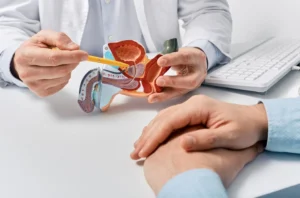
For years, the pelvic floor has been associated almost exclusively with women's health. However, in urological practice, we are seeing more and more men with symptoms related to this key structure. Discussing the male pelvic floor is not a trend: it is a clinical necessity.
What is the male pelvic floor?
The pelvic floor is a group of muscles, ligaments, and tissues that close off the lower part of the abdomen. In men, it performs essential functions:
- It supports organs such as the bladder, the prostate, and the rectum
- Participate in the urinary and fecal control
- Intervenes in the sexual function (erection and ejaculation)
- It helps with lumbo-abdominal stability.
Why is it important to take care of it?
A weakened or dysfunctional pelvic floor can directly affect quality of life. Among the most frequent problems are:
Especially after prostate surgery, such as a prostatectomy. Lack of urinary control can have a significant physical and emotional impact.
Proper pelvic floor muscle tone helps maintain an erection. Weakening of these muscles can affect rigidity and duration.
- Chronic pelvic pain
Tension or alterations in these muscles can generate persistent discomfort in the perineal, lower abdominal or genital area.
- Urinary and voiding problems
Difficulty starting urination, feeling of incomplete emptying, or increased urinary frequency.
Factors that affect the male pelvic floor
There are multiple causes that can weaken or alter this musculature:
- Prostate surgery
- Sedentary lifestyle
- Overweight
- high impact sports
- Chronic stress
- Aging
Identifying these factors is key to prevention.
Pelvic floor exercises in men: do they work?
Yes. Scientific evidence supports pelvic floor training as an effective tool, especially in:
- Recovery after prostate surgery
- Improved urinary control
- Support in the treatment of erectile dysfunction
The best-known exercises are Kegel exercises, but it is important to perform them correctly and, in many cases, under specialized supervision.
The role of the urology specialist
Not all pelvic floor problems can be solved with generic exercises. A personalized approach is essential.
The approach may include:
- functional diagnosis
- Pelvic floor re-education
- Specialized physiotherapy
- Medical or surgical treatments, depending on each case
The goal is not only to treat the symptoms, but to improve the patient's quality of life from a holistic perspective.
Breaking the taboo: men's health is also about prevention
Many men don't seek help due to embarrassment or lack of awareness. However, normalizing these symptoms is key to being able to act early and effectively.
The male pelvic floor plays a fundamental role in urinary continence, sexual function, and daily well-being. Despite this, it remains largely unknown.
Recognizing the signs early and having a specialized assessment allows these problems to be addressed with a precise and personalized approach.
At ROC Clinic we work from a comprehensive vision of functional urology , accompanying the patient throughout the entire process: from diagnosis to treatment and recovery.