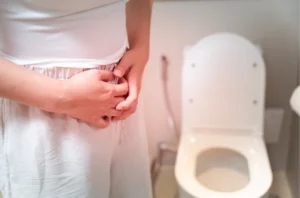
During the colder months, many people notice they need to urinate more frequently. While this may seem like a simple coincidence, the explanation has a physiological basis: the body reacts to the cold in ways that directly affect the bladder and urine production. Understanding why we urinate more when it's cold helps distinguish when it's a normal response and when it might indicate a urinary problem.
How the body reacts to the cold
When the temperature drops, the body activates several mechanisms to conserve heat. One of these is vasoconstriction , which is the narrowing of blood vessels in the skin. This process reduces heat loss and helps maintain a stable body temperature.
However, as more blood concentrates within the body, blood pressure and circulating fluid volume increase , stimulating the kidneys to eliminate excess water through urine. This phenomenon is known as cold diuresis.
In other words, the body produces more urine to balance fluids and maintain stable blood pressure. That's why, on cold days or after spending time in a cold environment, it's common to feel the need to urinate more frequently.
The role of the bladder and the sensation of urgency
Cold weather not only stimulates urine production; it can also increase bladder sensitivity . As body temperature drops, the nerves that control this organ become more reactive, which can lead to a feeling of urgency to urinate even with a partially full bladder.
This effect may be more noticeable in:
- People with sensitive or overactive bladder.
- Men with prostate symptoms, such as difficulty in completely emptying the bladder.
- Women with a history of urinary tract infections or recurrent cystitis.
In these cases, cold weather can accentuate urinary frequency or urgency , even if there is no new problem.
Difference between a normal response and a urinary problem
Feeling the urge to urinate more often in cold weather is normal. However, if the frequency becomes excessive or is accompanied by other symptoms, it's worth paying attention.
It is recommended to consult a urologist if signs such as the following appear:
- Pain or stinging when urinating.
- Sensation of incomplete emptying or weak stream.
- Urgent and repeated need to urinate, even at night.
- Presence of blood or changes in urine color.
These symptoms may indicate infections, benign prostatic hyperplasia , or other conditions that require medical evaluation.
Tips to avoid urinary discomfort in winter
Although increased urination in cold weather is a physiological reaction, some habits can help maintain balance and avoid discomfort:
- Maintain a stable body temperature, using thermal clothing or several layers of warm clothing.
- Avoid sudden changes in temperatureespecially when going from heat to sudden cold.
- Hydrate properlysince drinking less water to "go to the bathroom less" can increase the risk of urinary tract infections.
- Limit your consumption of caffeine, alcohol, or diuretic drinkswhich enhance fluid elimination.
- Urinate regularlywithout retaining urine for long periods, especially in cold environments.
These care measures help protect kidney function and maintain urinary comfort during the winter months.