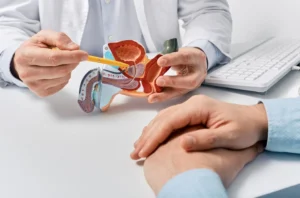
Balanitis is an inflammation of the glans, the head of the penis. If the foreskin is also inflamed, it is called balanoposthitis, although balanitis is often used to refer to both.
Balanitis can be caused by various factors, including poor hygiene, infection, phimosis, contact with irritants, or even poorly controlled diabetes. In some cases, balanitis can be a symptom of a sexually transmitted infection.
When balanitis occurs in children, the cause is usually related to some type of irritant. Sometimes it is caused by poor hygiene; in other cases, when phimosis is present, the forced retraction of the child's foreskin can trigger balanitis.
Symptoms may include pain, redness, itching, swelling, and discharge. In severe cases, there may be difficulty urinating and pain during sexual intercourse.
It's important to treat balanitis properly to avoid complications such as bacterial or fungal infections, chronic irritation, or permanent damage. Here are some ways to treat balanitis:
- Maintain good hygieneIt is important to gently clean the glans and foreskin every day to prevent the buildup of bacteria and fungi. Using warm water and mild soap is recommended.
- Use of topical creamsIn some cases, a doctor may prescribe a topical cream to treat balanitis. These creams may contain steroids, antifungals, or antibiotics depending on the underlying cause.
- Treatment of the underlying causeIf balanitis is caused by a bacterial or fungal infection, it's important to treat the underlying cause. This may involve taking oral medications, such as antibiotics or antifungals.
- CircumcisionIn chronic or recurrent cases of balanitis, the circumcision It may be an option. Circumcision involves the surgical removal of the foreskin, which can reduce the buildup of bacteria and fungi.
In conclusion, balanitis is a treatable condition that requires appropriate medical attention. Maintaining good hygiene and treating the underlying cause are essential in managing balanitis.