Every June 11th, World Prostate Cancer Day is commemorated , a date that seeks to remind us of something fundamental: detecting this disease early can completely change the prognosis.
Prostate cancer is currently the most diagnosed tumor in men and, although it is still mainly associated with advanced ages, specialists are observing a trend that is increasingly worrying: the increase in cases in younger patients.
Fortunately, advances in early diagnosis, robotic surgery, and personalized treatments have transformed how this disease is addressed. Today, many tumors can be detected before they produce symptoms and treated with less invasive and more precise techniques.
The big challenge: prostate cancer often doesn't cause symptoms at first
One of the main problems with prostate cancer is that, in its early stages, it often develops silently. Many men feel perfectly fine when the tumor begins to grow.
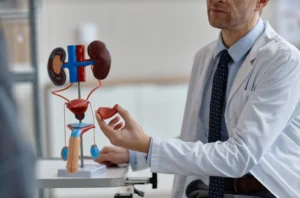
Therefore, regular urological check-ups remain the most important tool for detecting the disease early.
When symptoms appear, the most common ones may include:
- difficulty urinating,
- increased urinary frequency,
- weak stream,
- feeling of incomplete emptying,
- blood in urine or semen,
- pelvic discomfort,
- or bone pain in advanced stages.
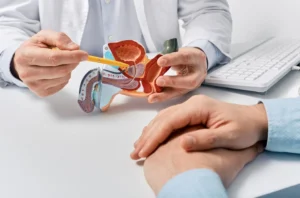
However, these symptoms can also be related to benign prostate problems, so seeing a urologist is key to making a proper diagnosis.
When should prostate checkups begin?
The general recommendation is to begin urological check-ups from the age of 50.
In men with a family history of prostate cancer or associated genetic factors , check-ups are usually brought forward to between 40 and 45 years of age.
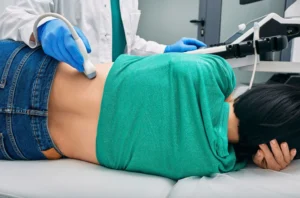
Currently, the combination of PSA, urological examination, multiparametric magnetic resonance imaging and fusion biopsy allows for the detection of tumors with much greater accuracy than a few years ago.
And that early detection makes all the difference: when prostate cancer is diagnosed in localized stages, the chances of a cure are very high.
Why are there more cases of prostate cancer in young men?
Although most diagnoses still occur after the age of 65, various international studies warn of a global increase in cancers in adults under 50.
In the case of prostate cancer, specialists believe this trend may be related to several factors:
- genetic predisposition,
- sedentary lifestyle and obesity,
- changes in diet,
- environmental factors,
- and also greater diagnostic capacity thanks to new medical technologies.
In addition, many young men do not undergo preventive check-ups because they believe they are not yet at risk, which can delay diagnosis.
That's why it's becoming increasingly important to normalize urological check-ups and talk about men's health without taboos.
Prostate cancer treatments have changed radically
Talking about prostate cancer today no longer means talking about a single treatment.
Personalized medicine and technological innovation have made it possible to adapt each approach to the type of tumor, its aggressiveness, and the specific needs of each patient.
Among the current therapeutic options, the following stand out:
Active surveillance
In certain low-risk tumors, controlled monitoring can be chosen without the need for immediate treatment.
Robotic surgery
Robotic surgery has revolutionized the surgical treatment of prostate cancer thanks to its precision and faster recovery.
High-precision radiotherapy
New techniques allow the tumor to be treated while minimizing the impact on healthy tissues.
In some selected cases, it is possible to treat only the affected area of the prostate.
Hormonal therapies and advanced treatments
In advanced disease, new hormonal treatments, targeted therapies, and radiopharmaceuticals have significantly improved survival and disease control.
The goal today is not only to treat cancer, but to preserve quality of life
Modern urology seeks not only to cure the disease, but also to minimize the impact of treatment on urinary continence , sexual function , and patient recovery.
Therefore, the current trend is to move towards increasingly personalized, minimally invasive treatments supported by high-precision technology.
Talking about prevention is also about taking care of men's health
Prostate cancer remains a disease shrouded in silence and diagnostic delays. Many men only consult a specialist when symptoms appear, even though the disease may have been developing for years.
Prevention and regular check-ups remain the best tools for detecting prostate cancer early and significantly increasing the chances of a cure.
Normalizing urological checkups can save lives.