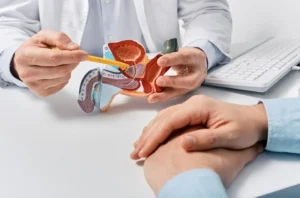
Circumcision is a surgical procedure to remove the skin covering the tip of the penis , called the foreskin. This procedure does not affect fertility and is generally not believed to increase or decrease sexual pleasure for men or their partners.
Circumcision is a fairly common procedure for newborn boys in certain parts of the world as part of a religious ritual or family tradition . It can also be performed after the neonatal period.
In our culture, this practice is primarily performed for the medical necessity of reversing phimosis , that is, in cases where the foreskin is too tight and cannot be retracted over the glans. This can lead to the accumulation of debris and the development of infections, as proper hygiene is difficult. In other cases, especially in some parts of Africa, it is recommended for older boys or men to reduce the risk of contracting sexually transmitted infections.
Conversely, if the penis is healthy and the foreskin can be retracted, proper penile care can be performed and circumcision may not be necessary. Even so, this surgery can offer some benefits:
- It facilitates intimate hygiene. It is easier to wash the penis and completely removes the buildup of urine, semen, and other secretions. However, uncircumcised boys and their parents are taught to wash the penis under the foreskin.
- It prevents problems in the penis, such as phimosis. Occasionally, it can be difficult or impossible to retract the foreskin of an uncircumcised penis (phimosis). This can lead to swelling of the foreskin or the head of the penis.
- It reduces the risk of urinary tract infections. Although the risk of urinary tract infections in men is low, they are more common in uncircumcised men. Severe infections in early life can cause long-term kidney problems.
- It reduces the risk of contracting sexually transmitted infections. Circumcised men may have a lower risk of contracting sexually transmitted infections. Even so, safe sex practices remain essential.
- It reduces the risk of developing penile cancer. While penile cancer is rare, it is even rarer in circumcised men. Similarly, cervical cancer is less common in the female sexual partners of circumcised men.
Circumcision may not be an option if there are blood clotting disorders or in cases of premature babies requiring medical attention in the hospital or babies born with penile abnormalities.
Risks of circumcision
Circumcision is a safe surgical procedure. However, as with any medical procedure, complications can occur. The most common include:
- Low risk of bleeding or infection
- Pain that can be reduced with analgesics
Some myths and truths about circumcision
MitoThe glans loses sensitivity.
TruthRemoving the foreskin exposes the glans, but does not affect sensitivity. Loss of sensitivity may only occur during the first few days after surgery.
MitoIt can damage the meatus or cause problems urinating.
TruthIf performed by an expert surgeon, the meatus will not be damaged.
MitoIt affects sexual life.
TruthThere doesn't have to be any negative consequences for erection, penis size, or sexuality.
At ROC Clinic, we develop and research systems to offer the best treatment for phimosis. In adults, stapled circumcision has become the new standard of care for phimosis due to its excellent cosmetic results and improved postoperative recovery.
Contact us to assess your case and recommend the most suitable treatment for you.