

★ ★ ★ ★ ★★ ★ ★ ★ ★ Verified rating
We left very happy with the doctor-patient relationship


We left very happy with the doctor-patient relationship

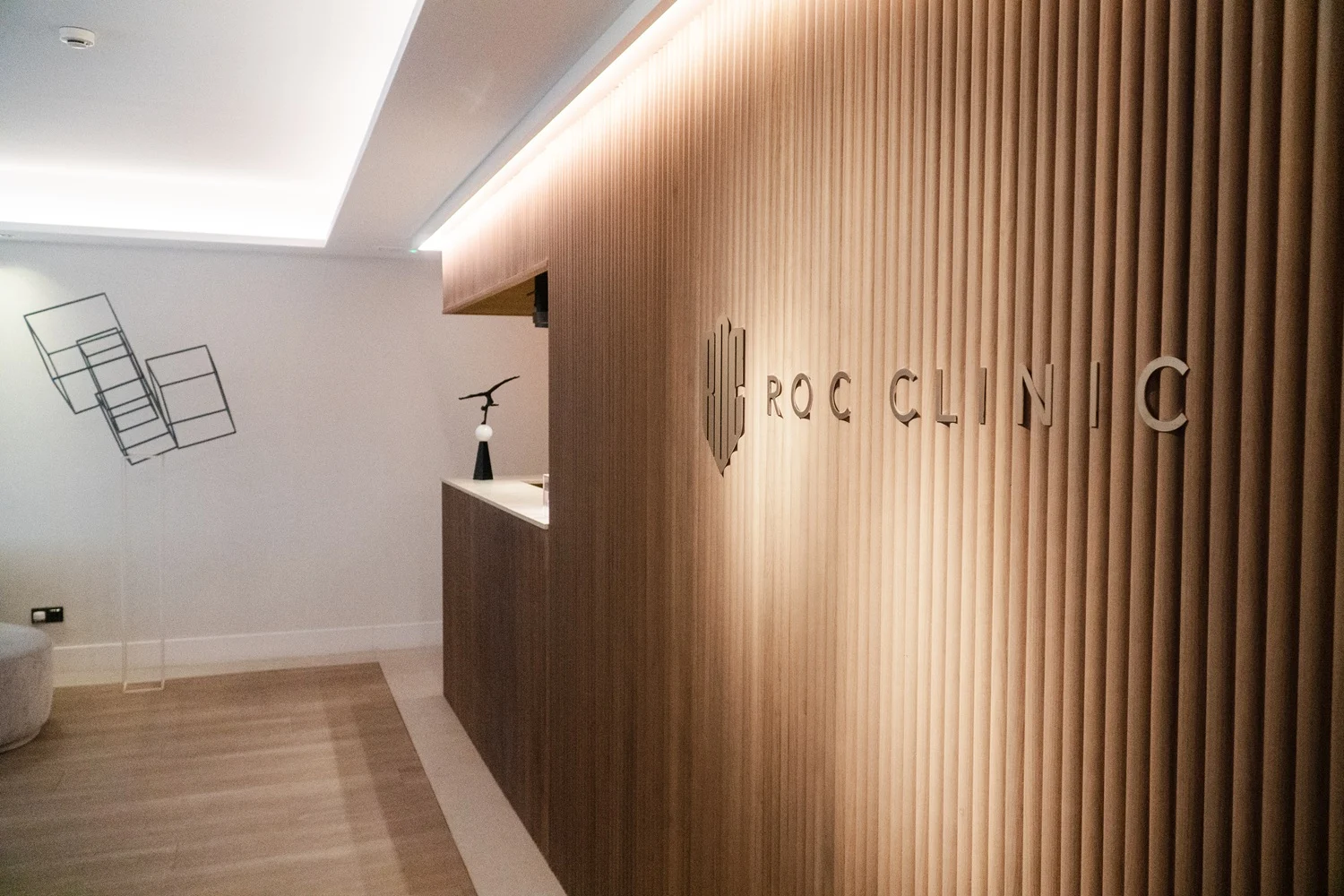
Excellent urological clinic due to the professionals who work there.
A highly professional clinic, with a very high scientific level and advanced technology. They helped me solve my urological problem.

I can only say one thing, the urology girls are the best you can find in this...
I want to express my gratitude to the Roc team, especially Dr. David Carracedo, for their professionalism, the...

Excellent care, both from Dr. Rojo and Dr. Espinales on a medical level and from the staff of...

Top 100 deal

I've been coming to the Urology department at HM Monteprincipe for a long time and I'm very happy with the care I receive from...
Contact
ROC CLINIC UROLOGY GROUP COMPANY, SLP
NIF: B-21958988
Address: Paseo General Martínez Campos, 17 · 28010 Madrid (Spain)
Contact: privacy@rocclinic.com
To respond, in the first instance, to inquiries, requests, comments, doubts, complaints or any other concerns that you have sent us through the contact form.
The legal basis is the consent given when completing the form, as well as the legitimate interest in answering your questions correctly.
During the time your consultation is open and during the legally established periods for the defense of claims.
Your data will not be shared with third parties.
You may access, rectify, delete, oppose certain processing, exercise your right to restriction of processing, to data portability and no longer be subject to a decision based solely on automated processing of your data.
Likewise, you may revoke the consents given at any time without such revocation affecting the lawfulness of the processing carried out previously.
You can exercise the rights described above through the following channels:
In writing, by means of an application addressed to Paseo General Martínez Campos, 17 · 28010 Madrid (Spain)
• By email to the following address: privacidad@fundacionroc.com
You can find additional information about exercising your rights and detailed information about Data Protection at the following link: privacy policy
Newsletter
ROC CLINIC UROLOGY GROUP COMPANY, SLP
NIF: B-21958988
Address: Paseo General Martínez Campos, 17 · 28010 Madrid (Spain)
Contact: privacy@rocclinic.com
To process your request to be included in our database for informational purposes regarding our activities.
The legal basis for this will be the express consent of the interested party.
For 6 years from the date of application.
Your data will not be shared with third parties who are not authorized to have access to it.
You may access, rectify, delete, oppose certain processing, exercise your right to restriction of processing, to data portability and no longer be subject to a decision based solely on automated processing of your data.
Likewise, you may revoke the consents given at any time without such revocation affecting the lawfulness of the processing carried out previously.
You can exercise the rights described above through the following channels:
In writing, by means of an application addressed to Paseo General Martínez Campos, 17 · 28010 Madrid (Spain)
• By email to the following address: privacidad@fundacionroc.com
You can find additional information about exercising your rights and detailed information about Data Protection at the following link: privacy policy
second opinion
ROC CLINIC UROLOGY GROUP COMPANY, SLP
NIF: B-21958988
Address: Paseo General Martínez Campos, 17 · 28010 Madrid (Spain)
Contact: privacy@rocclinic.com
To respond, in the first instance, to inquiries, requests, comments, doubts, complaints or any other concerns that you have sent us through the contact form.
The legal basis is the consent given when completing the form, as well as the legitimate interest in answering your questions correctly.
During the time your consultation is open and during the legally established periods for the defense of claims.
Your data will not be disclosed to third parties not authorized to know it.
You may access, rectify, delete, oppose certain processing, exercise your right to restriction of processing, to data portability and no longer be subject to a decision based solely on automated processing of your data.
Likewise, you may revoke the consents given at any time without such revocation affecting the lawfulness of the processing carried out previously.
You can exercise the rights described above through the following channels:
In writing, by means of an application addressed to Paseo General Martínez Campos, 17 · 28010 Madrid (Spain)
• By email to the following address: privacidad@fundacionroc.com
You can find additional information about exercising your rights and detailed information about Data Protection at the following link: privacy policy
