
★ ★ ★ ★ ★★ ★ ★ ★ ★ Verified rating
We left very happy with the doctor-patient relationship
Vasovasostomy is a microsurgical technique that allows for the reconstruction of the vas deferens after a vasectomy. The procedure is performed by precisely joining the ends of the vas deferens.
Vasovasostomy is a surgical procedure that reverses the interruption of the seminal tract that occurs after a vasectomy . It is the only medical or surgical procedure that can reverse the effects of a vasectomy. Only with vasovasostomy can we regain fertility and have more children without resorting to other alternatives such as assisted reproduction.
Three months after a vasectomy, when the semen analysis becomes negative, the patient ceases to be fertile. Over time, some men choose to have the vasectomy reversed to regain their ability to father children.
Vasovasostomy does not require any special preoperative preparation. The required preoperative tests include an electrocardiogram, blood work, and a chest X-ray, in addition to an evaluation by an anesthesiologist.
No special precautions or procedures are necessary before surgery. Urologists generally prefer to shave the scrotal and genital area themselves, so we usually do this in the operating room, and the patient does not need to do it beforehand.
Vasovasostomy is performed under local anesthesia, although depending on the patient's preference or if we think the procedure may be very long, alternatives such as sedation can be offered.
A scrotal incision is made, and the structures of the inguinal cord are dissected until the severed ends of the vas deferens are located. The vas deferens are the tubes responsible for transporting sperm from the testicles to the prostate gland and seminal vesicles.
Once located, the testicles are dissected and revived to obtain healthy tissue. Subsequently, microsurgical suturing is performed using very fine material in several layers until seminal continuity is restored. This procedure is performed on both testicles.
Post-operative recovery from vasovasostomy is usually outpatient in most cases. The use of a scrotal support is common to minimize hematoma and pain after the procedure. Bladder catheterization is not required.
After surgery, the patient is taken to a recovery unit where we ensure they are properly acclimated to their post-operative environment and that there are no immediate complications. After a short time, they are usually able to leave on their own. It is generally advisable to have someone accompany you to the hospital.
The most common complication of vasovasostomy is pain, as bleeding and infection are very rare. To limit pain, as mentioned earlier, a scrotal support or supportive underwear is usually worn during the first few weeks. Additionally, the use of common anti-inflammatory medications is generally recommended. If inflammation and pain are present, indirect local cold therapy can be applied.
In any case, while vasovasostomy is a very complex procedure requiring advanced technology and surgical skill, it typically does not have a long or complicated recovery period. Physical and sexual activity can usually be resumed within a few weeks.
Your urologist will tell you how to perform the semen analysis tests to evaluate the success of the treatment.
Vasectomy is a surgical procedure with a virtually 100% success rate. In contrast, its reversal—vasovasostomy—has success rates closer to 50%. Several factors can influence the outcome, such as the surgeon's experience, the use of a surgical microscope, the patient's age, and the time elapsed since the vasectomy.
We treat our patients at the ROC Chamberí clinic and in the HM Hospitals network of centers in Madrid: Sanchinarro, Montepríncipe, Madrid Río, Rivas, Puerta del Sur, Nuevo Belén, Policlínico HM Moraleja and Nuevo Norte.

Coming soon
We treat our patients at the ROC Chamberí clinic and in the HM Hospitals network of centers in Madrid: Sanchinarro, Montepríncipe, Madrid Río, Rivas, Puerta del Sur, Nuevo Belén, Policlínico HM Moraleja and Nuevo Norte.
Coming soon

We left very happy with the doctor-patient relationship
JG August 6, 2026
Our patients' trust reflects our commitment to providing excellent, personalized, and attentive urological care. Every experience motivates us to continue improving and offering the care and support each patient needs.

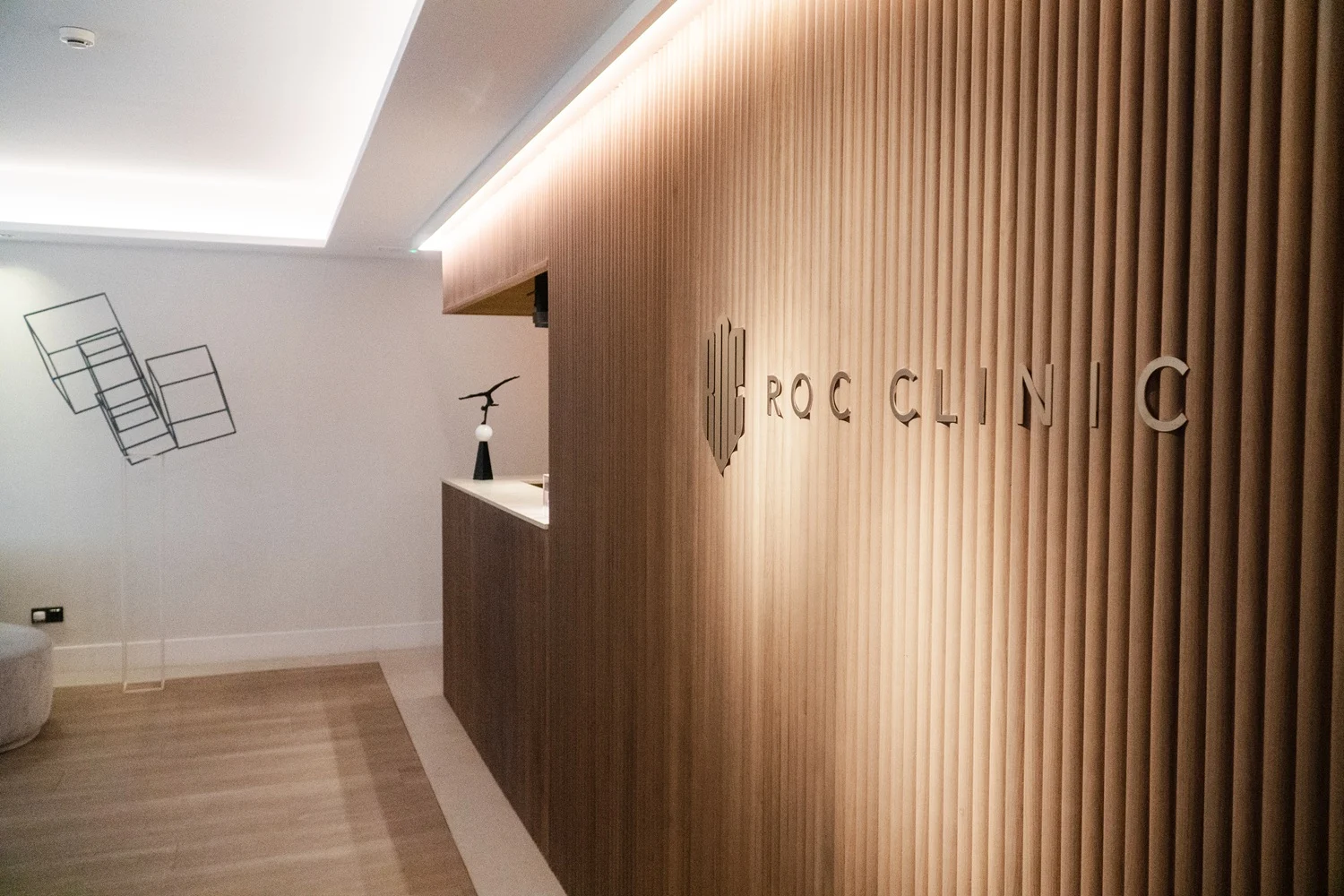
Excellent urological clinic due to the professionals who work there.
A highly professional clinic, with a very high scientific level and advanced technology. They helped me solve my urological problem.

I can only say one thing, the urology girls are the best you can find in this...
I want to express my gratitude to the Roc team, especially Dr. David Carracedo, for their professionalism, the...

Excellent care, both from Dr. Rojo and Dr. Espinales on a medical level and from the staff of...

Top 100 deal

I've been coming to the Urology department at HM Monteprincipe for a long time and I'm very happy with the care I receive from...


Search
Type a keyword and press Enter.